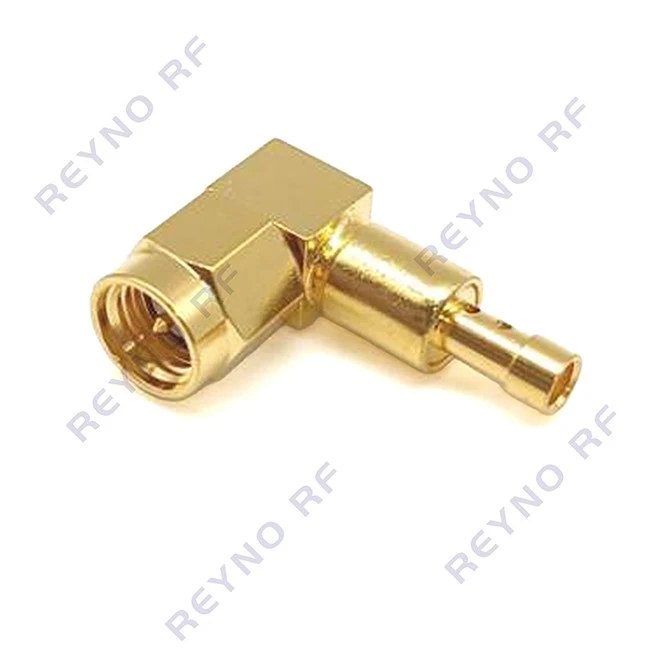
Military communication connectors are indispensable fundamental electronic components for various military weapon systems and equipment; they are widely used in aviation, aerospace, weaponry, and naval vessels, as well as in applications such as military communications and electronic warfare. The volume of their usage is immense; for instance, a single modern fighter jet requires approximately 800 to over 1,000 electrical connectors, while a large transport aircraft requires more than 4,500.
Within military equipment and electronic systems, connectors serve as essential components linking devices to assemblies, assemblies to individual units, units to one another, and systems to systems, playing a critical role in the transmission of power and signals. Their quality directly impacts the performance and reliability of military equipment; the failure of even a single contact point can lead to the catastrophic failure of the entire system. my country's aerospace history has witnessed major incidents where launch missions were delayed due to electrical connector failures.
Fiber-optic connectors-characterized by their resistance to electromagnetic interference, compact size, light weight, and high capacity-have garnered significant attention in the aviation sector. Currently, my country's aviation industry primarily utilizes the J599 series of circular fiber-optic connectors, with applications expanding into various optical communication systems for ground, shipborne, electronic, and radar operations. Furthermore, radiation-resistant fiber-optic connector assemblies-developed by combining these connectors with radiation-resistant optical cables-are increasingly being deployed in the aerospace sector to meet the requirements of missions such as space station operations.