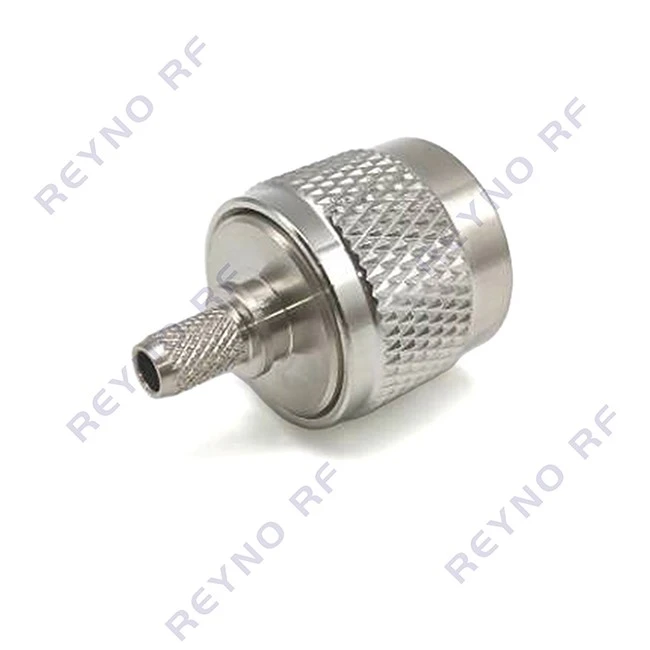
Material selection is based on a comprehensive assessment of processability, product application requirements, and strength characteristics. Electronic connector costs vary depending on material prices, processing complexity, and production efficiency. Key materials include insulators (plastic resins) and conductors (phosphor bronze, brass). Common engineering plastics used for electronic connectors include LCP, Nylon, and PBT.
LCP
Characterized by a low coefficient of linear expansion, low injection molding shrinkage, exceptional strength and elastic modulus, and excellent heat resistance (with heat deflection temperatures reaching over 340°C). It also offers excellent chemical resistance and airtightness. Consequently, LCP is the preferred material for connectors-especially those requiring SMT compatibility-such as Mini PCI Express and DDR connectors.
Nylon
Offers lower costs, high tensile strength, outstanding wear resistance, and self-lubricating properties. Its good flowability facilitates thin-wall molding; however, it exhibits significant shrinkage and a tendency to form flash. Strict pre-molding drying is required to prevent hydrolysis. Nylon is commonly used for connectors, particularly DIP types, such as PCI 120P and PCI Express.
PBT
Features low cost, high strength, and good friction resistance. However, it has relatively poor moldability and significant shrinkage. Due to its lower melting point, the plastic may melt during wave soldering processes.